




Parvovirus a real risk for Tasmanian working dogs
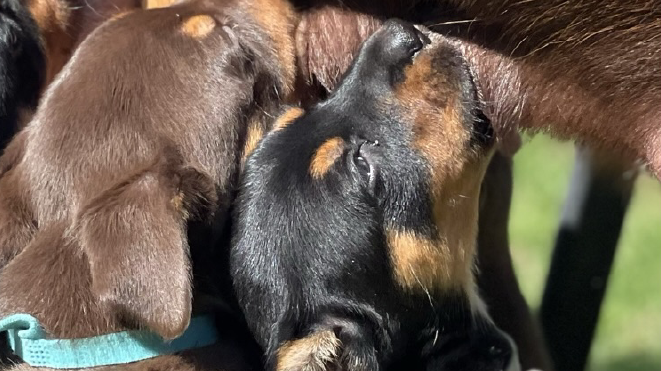
Parvovirus infection has been reported in dogs in northern Tasmania and has already resulted in the death of at least one valuable young working dog. Dr Bruce Jackson, consulting veterinarian, says producers should not underestimate the seriousness of the disease. “Parvovirus is one of the ‘big three’ killer diseases of dogs, along with distemper and canine infectious hepatitis,” Bruce explained.
“It is incredibly tough, highly infectious and can survive in some environments for up to 12 months.”
There are two forms of parvovirus disease. The most common is the gastro-enteritis form, while a rarer form, myocarditis (inflammation of the heart), affects young puppies and can cause sudden death. Myocarditis is less common, because most breeding bitches are vaccinated. Dogs affected by the gastro-enteritis form show rapid onset symptoms.
“They become depressed, stop eating, develop a fever, vomit and develop diarrhoea, which may contain mucus or blood and has a very strong foul smell,” Bruce said. “They dehydrate rapidly and, if not treated adequately, can die.”
The virus also suppresses the bone marrow, making affected dogs more vulnerable to secondary infections.
The incubation period can be as short as four days. Deaths are more common in dogs less than 12 months of age, particularly between 6 and 20 weeks, as the passive immunity gained from their mother begins to wear off.
Importantly, parvovirus does not require direct dog-to-dog contact to spread.
“This virus infects through indirect contact,” Bruce said. “You can carry it from one dog to another on your boots, clothing or vehicle tyres, even miles away.”
Even dogs living exclusively on farms are not automatically protected.
“’Hotel quarantine’ will not necessarily protect your dog. Visitors, contractors or returning staff can unknowingly bring the virus onto a property.”
Because the virus is so persistent, strong disinfectants such as chlorine-based products (bleach) are required to destroy it. Vaccination remains the most effective protection.
“Antibodies from the mother may interfere with vaccination in young pups,” Bruce explained. “If parvovirus is actively spreading, it is best to vaccinate pups every 2–4 weeks from 6 to 16 weeks of age.”
A single vaccination at 12 weeks may be effective in healthy pups, although many veterinarians recommend at least two vaccinations and a final dose at 16 weeks. Discussed booster frequency with your veterinarian.
The message to producers is clear: do not assume your working dogs are protected simply because they live on farm.
“Vaccination is the best means of protecting your dog,” Bruce said. “Take advice from your vet.”
Early recognition and prompt veterinary treatment can be lifesaving. If your dog shows signs of lethargy, vomiting or diarrhoea, seek veterinary advice immediately. Working dogs are essential members of many farming operations. Protecting them starts with prevention.
This article appeared in the AWI Extension TAS Newsletter March 2026. Reproduction of the article is encouraged and should be attributed as follows: This article was first published in the AWI Extension TAS Newsletter.