




Tasmanian Timing of Operations Survey Results
Thank you to everyone who completed the AWI Extension TAS Timing of Operations Survey.
Your responses have provided some great insights into Tasmanian sheep husbandry practices, and will assist with tailoring the delivery of events and best-practice information.
Below are some key insights from your responses on shearing, crutching, joining, pregnancy scanning, lambing, marking, weaning, and more...
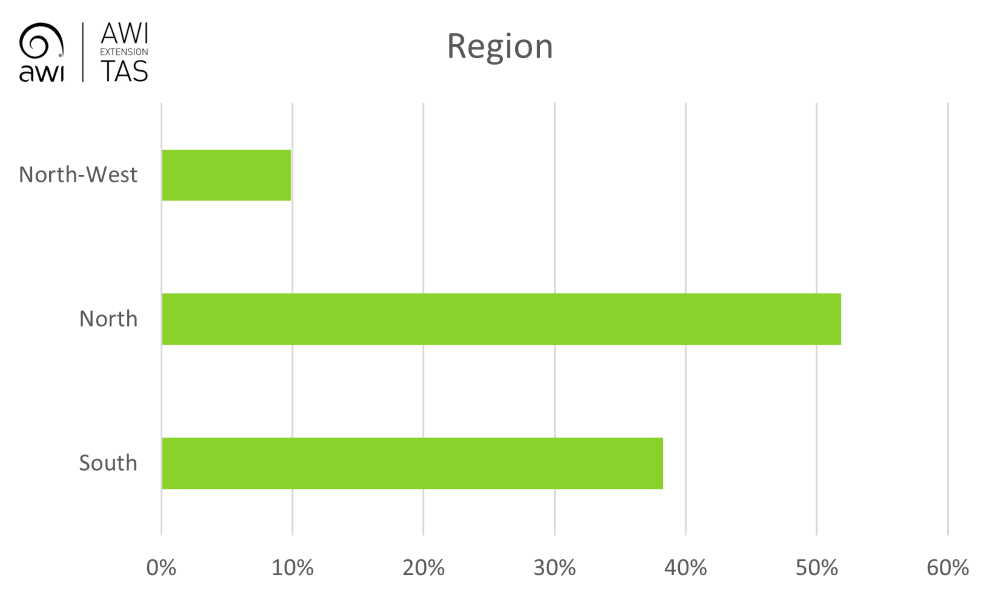
Figure 1. Survey respondents were primarily from North (52%) and South (38%), with North-West accounting for 10% of responses.
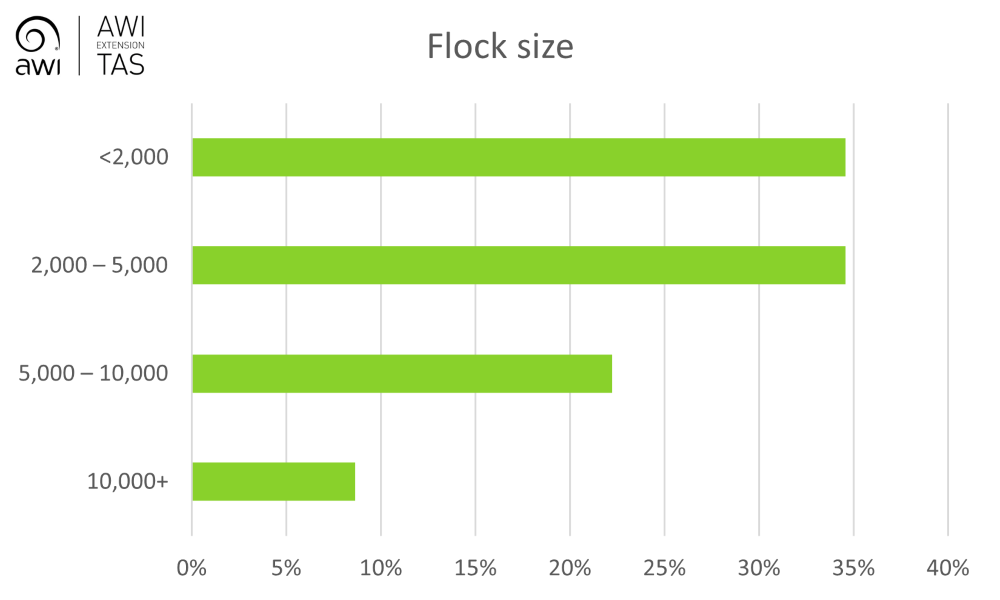
Figure 2. Around 70% of flocks were less than 5,000 head, 22% were 5,000–10,000 head, and 9% were more than 10,000 head.
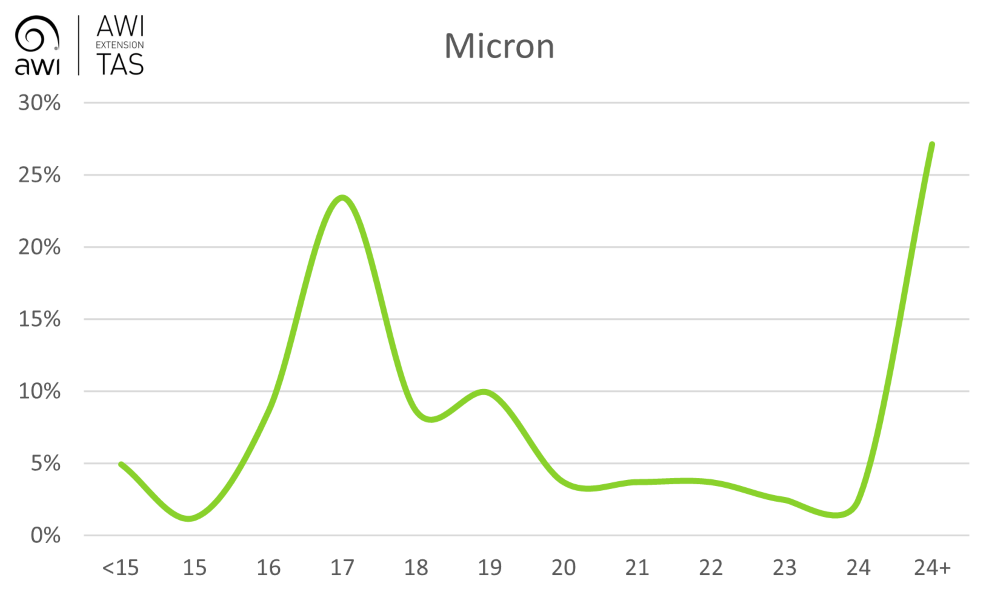
Figure 3. Merino wool being generally 22 micron or less, accounted for 68% of survey respondents. Flocks of 23 micron or greater totalled 32% of respondents.
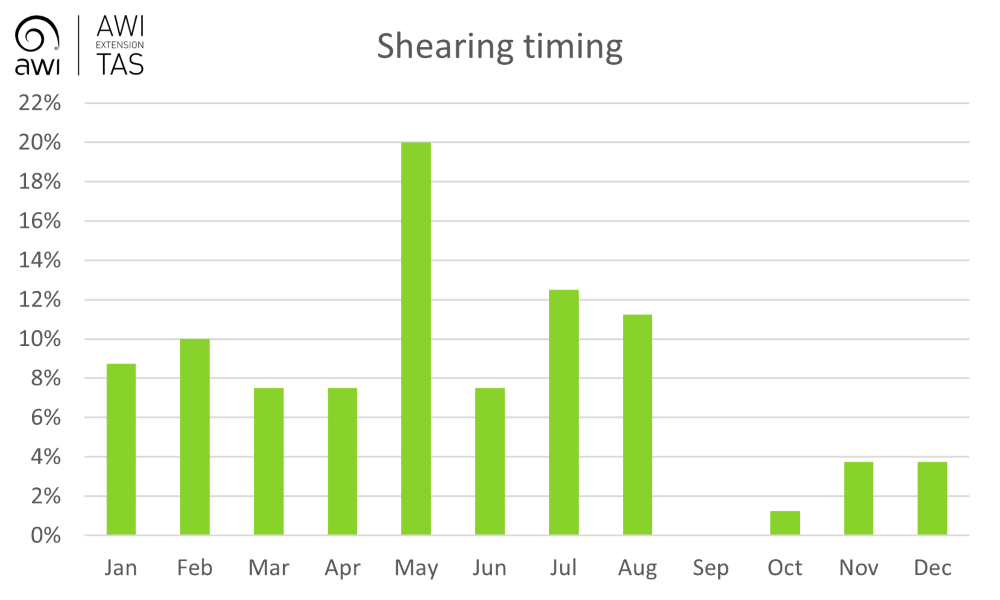
Figure 4. 95% of survey respondents shear once a year, with the most common timing being in May, July, and August. Of those that shear twice a year, it was undertaken typically every 14–15 months.
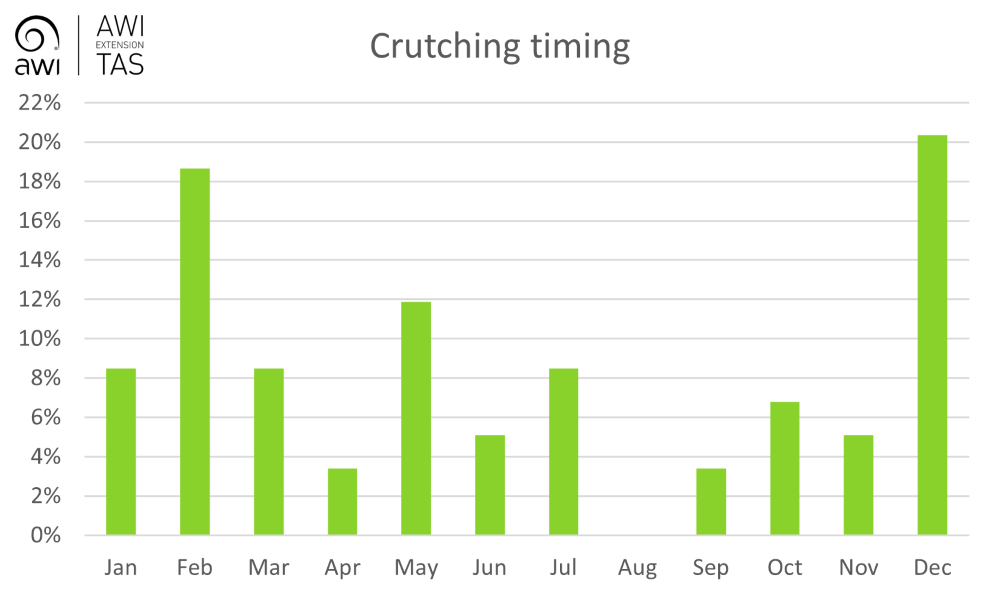
Figure 5. 76% of survey respondents crutch once a year, with the most common timing being in December and February.
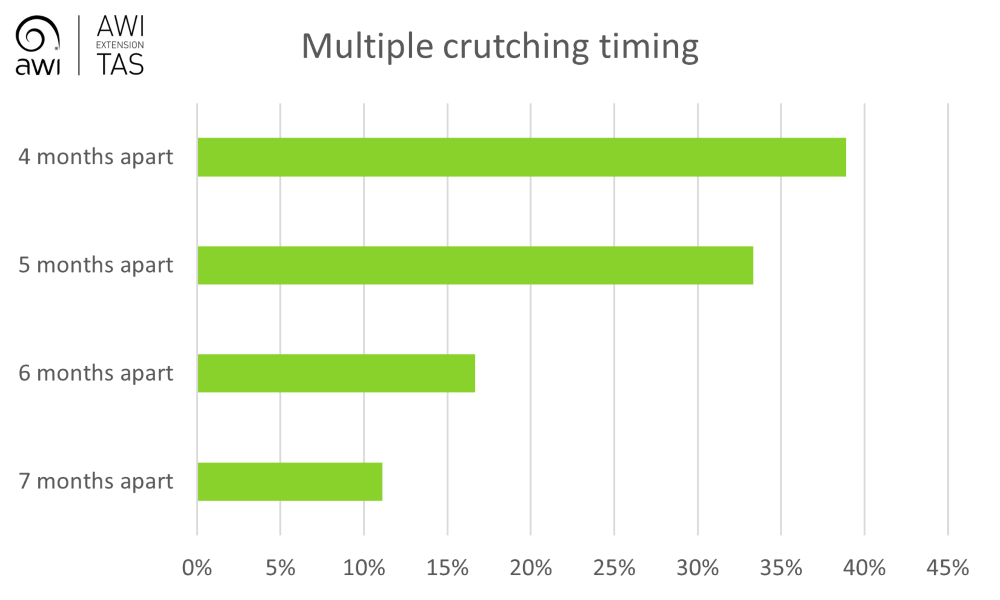
Figure 6. Of the 24% of survey respondents that crutch twice a year, 72% crutch 4–5 months apart.
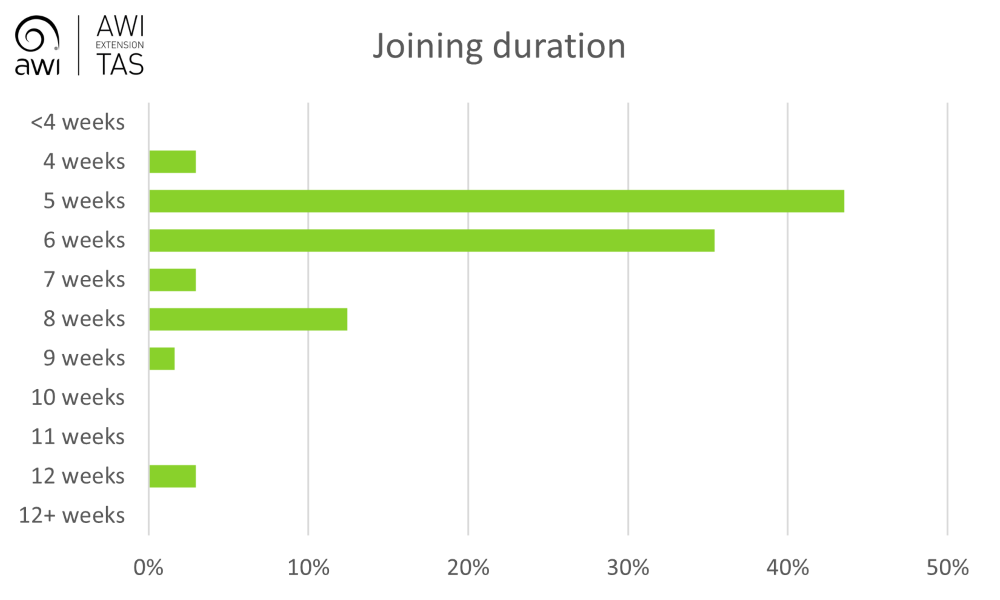
Figure 7. Nearly 80% of survey respondents joined ewes to rams for 5–6 weeks.
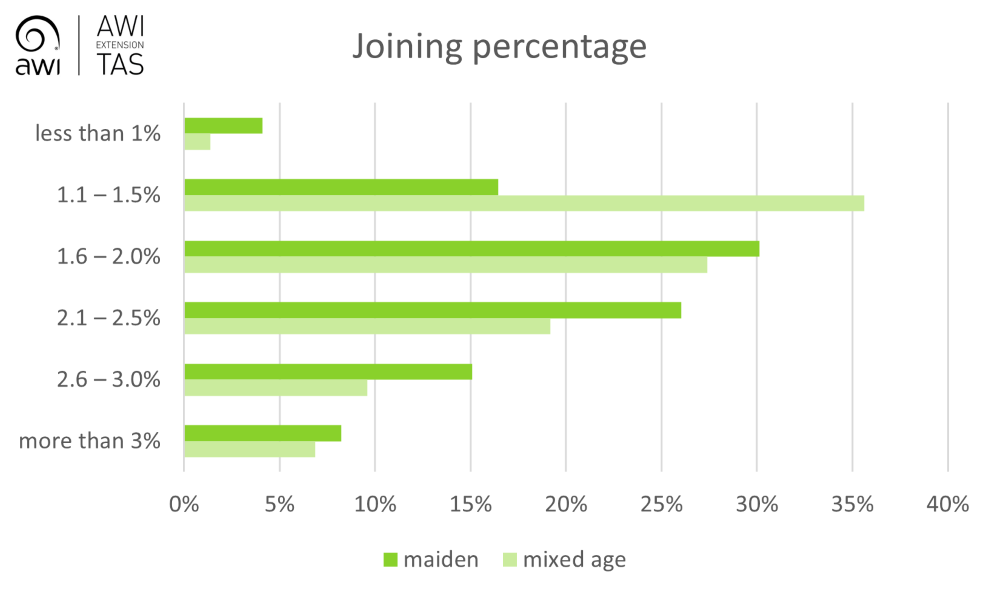
Figure 8. The most common joining percentage for maiden ewes was 1.6–2.0%, and for mixed age ewes was 1.1–1.5%.
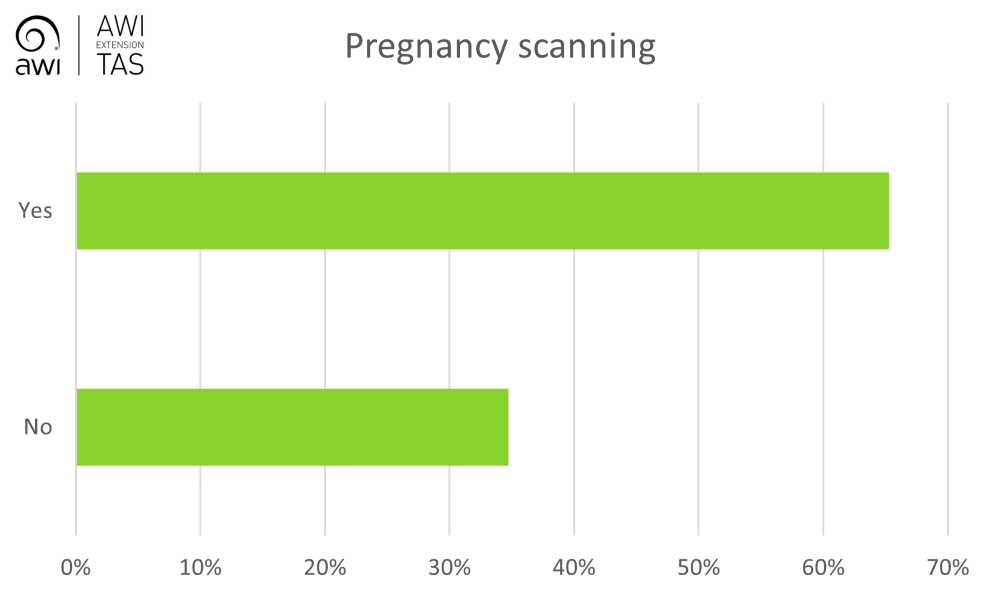
Figure 9. 65% of survey respondents pregnancy scanned.
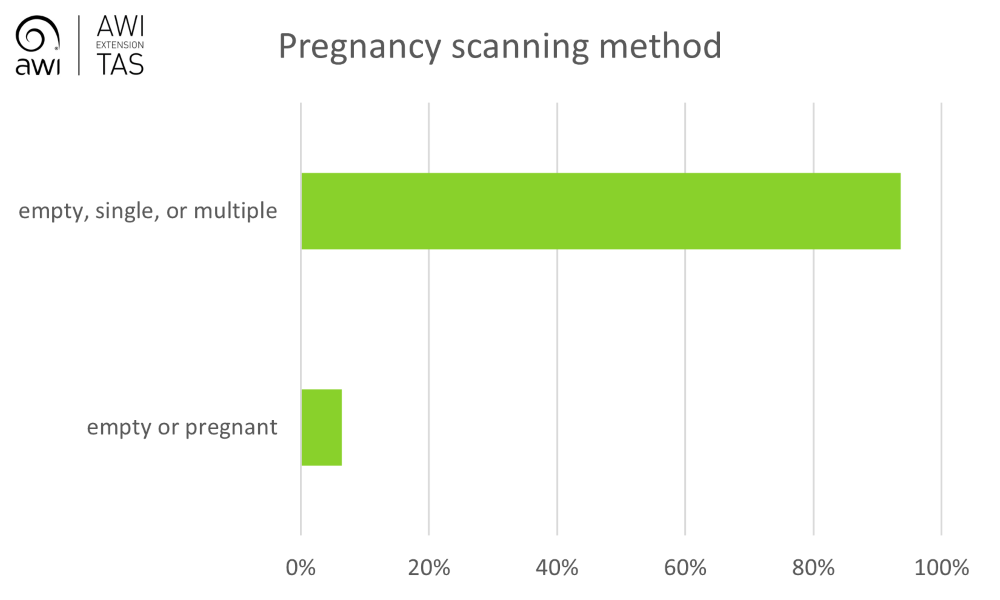
Figure 10. Of those that scanned, 94% scanned for empty, single, or multiple foetuses.
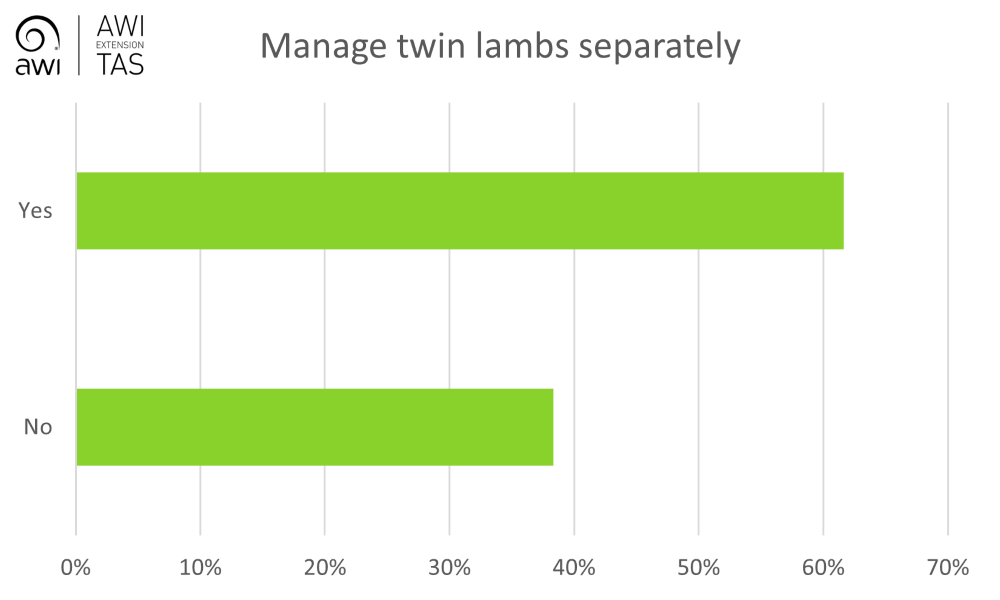
Figure 11. 62% of survey respondents managed twin lambs separately.
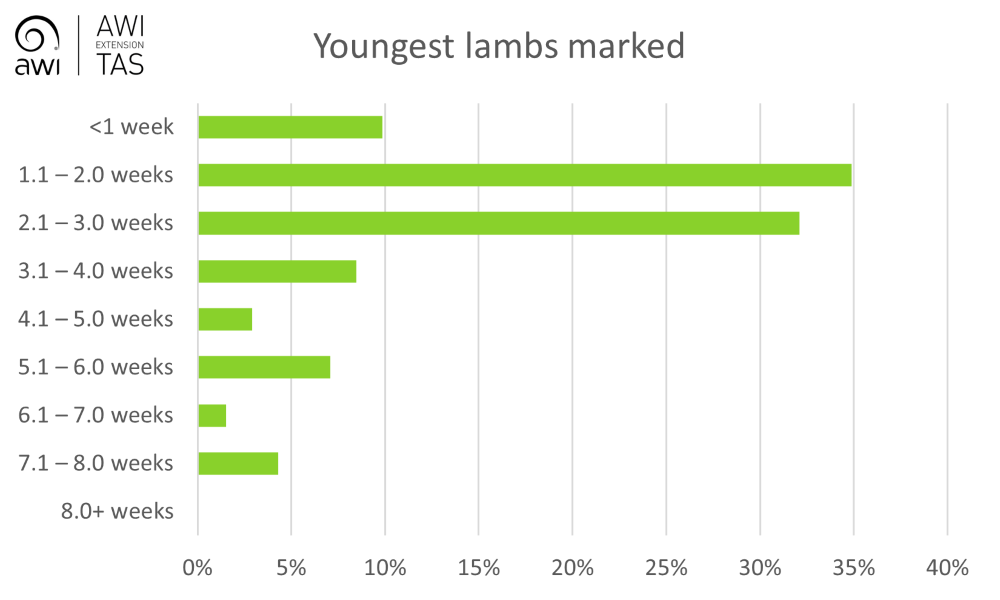
Figure 12. 67% of survey respondents' youngest lambs at marking were 1.1–3.0 weeks.
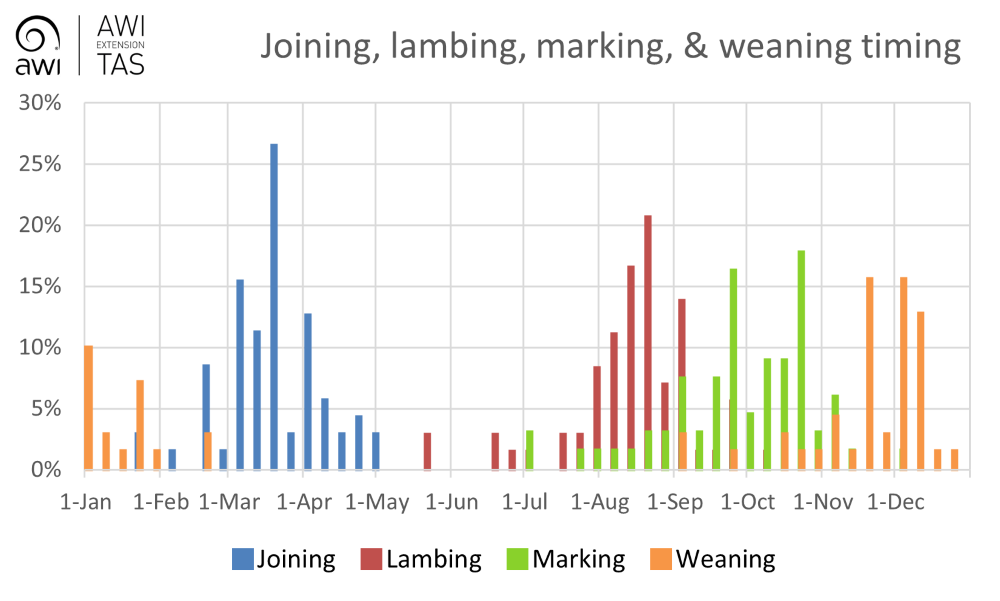
Figure 13. The most common joining was mid-late March, with lambing mid-late August.