




Most common diseases and conditions seen in sheep in 2025
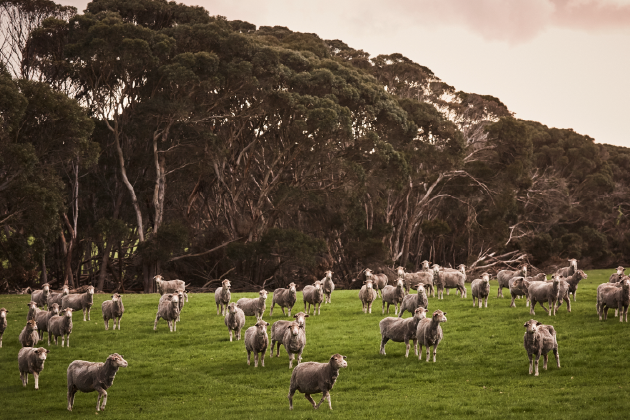
The Tasmanian Livestock Health Report summarises information on livestock diseases and conditions observed by rural service providers across Tasmania. Following is a summary of the most common diseases and conditions seen in sheep in Tasmania during 2025.
Internal parasites
Black scour worm was the dominant parasite across Tasmanian during 2025. Nematodirus (thin-necked intestinal worm) was a common problem during autumn in weaners, and barber’s pole worm (BPW) is becoming more widespread with more persistent and damaging outbreaks. Brown stomach worm was associated with heavy lambing ewe losses in some instances.
Drench resistance is common for white, clear and abamectin anthelmintics while triple actives are generally still effective, although some cases of failure were recorded.
More information:
- Visit the WormBoss website.
- Download the WormBoss Combination-drench efficacy calculator here.
- Watch the Pole position: staying ahead of worms this summer webinar.
Dags
Dags were commonly seen, usually on a small proportion of a mob, but with higher proportions when internal parasites and lush green feed had resulted in diarrhoea.
More information:
- Read the Dealing with dag factsheet
Border disease (hairy shaker lambs)
A significant outbreak was recorded in Tasmania.
More information:
Read our article on border disease
Epididymitis
Ovine epididymitis (inflammation or infection of the coiled tube attached to the testicles) in Australia is primarily caused by the bacterium Brucella ovis (ovine brucellosis). In rams, epididymitis can lead to:
- swelling or lumps in the testicles or epididymis
- reduced semen quality
- infertility or subfertility.
Affected rams can still appear otherwise healthy and the condition can quietly reduce flock reproductive performance if not detected. In practical terms, epididymitis directly impacts lambing percentages and genetic progress, especially in stud or self-replacing flocks. During 2025 the condition was common in rams, all tested negative for ovine brucellosis.
More information:
Pink eye
Pink eye appeared to be a more significant problem in weaner sheep during 2025.
More information:
Photosensitisation
Photosensitisation was common across Tasmania during 2025. Most cases were mild and only affected the backs of ears and were most likely due to ingestion of plants like stork’s bill (Erodium).
Foot abscess and footrot
Foot abscess is still a significant problem in wetter areas. Footrot was less prevalent in the south of the state due to the drier conditions but common in the north. Most isolates tested as virulent. The M serogroup is still prevalent on one large property. Benign footrot (‘scald’) appeared to be common. Lameness and deformed/overgrown feet are common.
More information:
Reproduction losses
Reproduction losses, including abortion and significant neonatal losses, occurred across Tasmania during 2025 with campylobacter and toxoplasma confirmed in a number of flocks. A significant number of flocks recorded lower-than-normal lamb-marking percentages. Neonatal lamb deaths from exposure were consistent right through spring due to constant strong winds.
More information:
Flystrike
Flystrike is still common and one flock reported a reduced protection period after cyromazine use.
More information:
Johne’s disease (OJD)
During 2025 significant losses from OJD were experienced in a number of invaccinated Tasmanian flocks, while most producers who vaccinate against the disease have low losses of adult sheep (the vaccine claims to reduce disease by 90%). Reports from the Tasmanian Quality Meats (TQM) abattoir revealed an increase in condemnations of runners that otherwise would be a valuable co-product.
While the OJD vaccine (Gudair®) is becoming more expensive, and many producers have considered stopping vaccination, vaccination is still a sound investment compared with losing 10% of adult sheep to the disease annually.
More information:
Dermatophilosis (‘dermo’, ‘lumpy wool’)
Dermo was still commonly diagnosed during 2025 and is still responding to treatment.
More information:
Vaginal prolapse
Vaginal prolapse was a significant problem in some flocks during 2025, but calcium supplementation of ewes during late pregnancy appears to have helped in at least some flocks.
More information:
- Making More From Sheep Chapter 10.2 Manage your ewes to improve lamb survival
- The prolapsing ewe (Agriculture Victoria, 2022)
Redgut
Sudden death on irrigated legumes is a major concern for Tasmanian producers finishing lambs on irrigated lucerne and clover. An MLA producer demonstration site (PDS) project has been initiated to study the problem, and results confirm most sudden deaths in lambs on irrigated legumes are due to redgut and that feeding more roughage is protective.
More information:
Sheep body lice
Infestations of lice seemed to be more common during 2025.
More information:
Respiratory disease
Coughing and nasal discharge was common in young sheep at saleyards during 2025. Mycoplasma ovipneumoniae was confirmed as a cause of a hacking cough in one flock. Lungworm were detected in adult sheep several times.
More information
- Pneumonia in sheep (Agriculture Victoria, 2025)
Low body condition score
Low body condition score was observed more frequently during the dry period of the year, but generally producers maintained most sheep in adequate body condition, and some cases were probably due to OJD brought on by nutritional and late pregnancy stress.
More information:
Scrotal mange
Scrotal mange remains common in both flock and stud rams.
More information:
Hypocalcaemia
Hypocalcaemia (milk fever) is increasingly common during late pregnancy and seemed much more prevalent in lactating ewes during 2025. Feeding limestone/causmag/salt loose licks has been a successful preventative in a number of cases.
More information:
- Making More From Sheep Hypocalcaemia fact sheet
This information first appeared in the April 2026 edition of the Tasmanian Livestock Health Report. Click here to register for a free email subscription, or join the Tasmanian Livestock Health Facebook group.
Funding for the report is provided by Animal Health Australia (with support from Sheep Producers Australia and WoolProducers Australia) and by NRE. Private veterinarians coordinate the project.