




Beware the lure of the long-acting drench
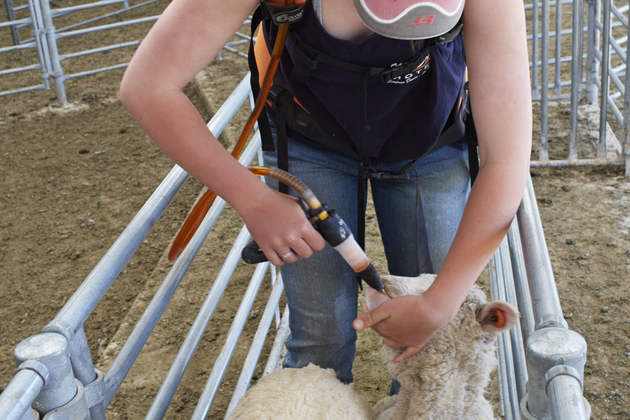
Long-acting drenches can be powerful tools for parasite control, but they can greatly speed up the development of drench resistance. By understanding how prolonged exposure to treatments selects for resistant worms, and by pairing products with primer and exit treatments or using short-acting and combination options, producers can keep drenches working effectively for longer.
Effective long-acting drenches kill immature and adult worms in the sheep at the time of treatment, as well as infective larvae sheep eat (with pasture) during the protection period—about 3 months for long-acting products and 1–4 weeks for mid-length treatments (depending on the particular product).
While the concept seems beneficial, in reality it creates conditions that can accelerate the development of drench resistance in worm populations in two ways:
- Prolonged exposure to the active chemical: Because the product stays in the animal for such a long time, worms are continuously exposed to the drench active. This means there’s a longer window where worms that can tolerate the chemical survive and go on to reproduce. The longer the exposure, the stronger the selection pressure for resistance.
- Sub-lethal exposure at the end of the protection period: Towards the end of the claimed protection duration, the active chemical levels in the animal decline. At these lower concentrations, partly resistant worms—those that might have been killed by a full-strength dose—survive and breed. These survivors contribute further to a resistant population.
Because long-acting drenches can protect an animal for up to about 120 days, this extended period of selection pressure is much greater than with short-acting treatments, which only kill worms at the moment of dosing.
A double dose of danger
The problem isn’t just that worms survive in the treated animals; it’s that survivors from long-acting treatments lay eggs that become infective larvae on the pasture. Sheep then consumer these larvae as they graze. Over time, those resistant worms form a larger proportion of the total worm population, undermining the effectiveness of drenches.
Primer and exit drenches hold the key to efficacy
Despite the challenges they pose, persistent treatments still have a place in a robust worm management strategy.
Use ‘primer drenches’ at the same time as administering a long-acting product. A primer drench is a short-acting treatment with a different active that clears out worms already resistant to the long-acting chemical.
Follow up with an ‘exit drench’ two weeks after the long-acting product’s protection period ends. This kills any larvae that survived the long-acting treatment and went on to mature.
Limit use of long-acting products to specific situations where there’s a clear benefit, such as when sheep are inaccessible for monitoring or during high-risk periods.
Wherever possible, favour short-acting drenches and combination products (drenches that contain more than one chemical group). Combinations make it much harder for a worm to be resistant to all actives at once.
For more information on managing drench resistance:
- Read the Beating drench resistance — it's a matter of management article
- Head to the WormBoss website.
- Watch the Pole position: staying ahead of worms this summer webinar.
This article appeared in the AWI Extension TAS Newsletter March 2026. Reproduction of the article is encouraged and should be attributed as follows: This article was first published in the AWI Extension TAS Newsletter.