





Recent Articles and News
We're keeping you up to date with the latest articles and news relevant to your sheep and wool business.
Newsletters
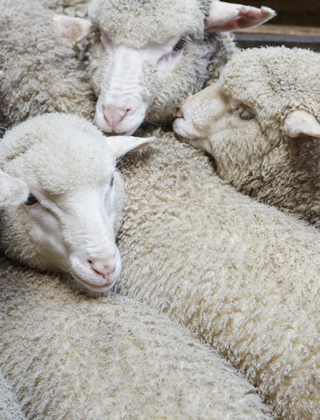
Pre-joining management the key to reducing risk of Border disease
Border disease virus has recently been confirmed in Tasmania, following the investigation of a large composite ewe flock that experienced abortions, high lamb losses and the birth of multiple ‘hairy shaker’ lambs.
Newsletters
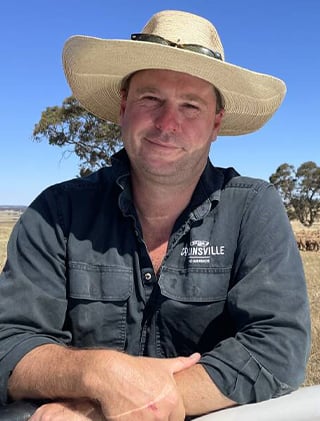
Getting to know your Chairman
George Millington has been a member of the AWI Board since 2023 and is well known across the industry as the owner and manager of Collinsville Merino Stud in South Australia. First and foremost a woolgrower, George brings a strong understanding of the commercial realities of running a modern Merino enterprise.
Newsletters
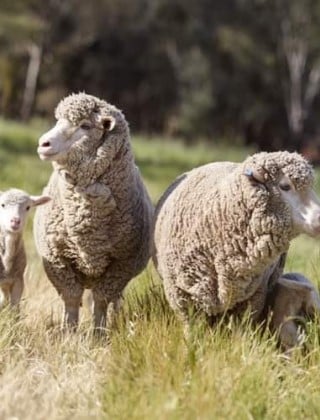
WEBINAR RECORDING AVAILABLE: Pregnancy scanning
During February 2025 AWI Extension NSW in collaboration with AWI Extension QLD (Leading Sheep) delivered a series of webinars espousing the benefits of pregnancy scanning, delivered by Dr Sue Hatcher and Josh Cousins. If you missed these webinars you can view the recordings online anytime.
Newsletters
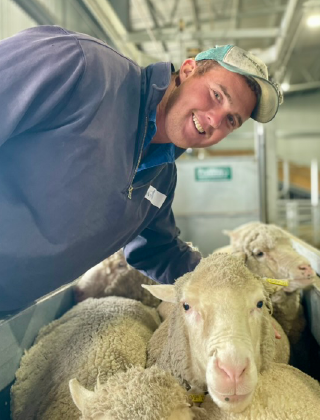
East Coast woolgrower joins AWI Extension TAS Producer Advisory Panel
East Coast woolgrower, Will Fergusson, has been appointed to the AWI Extension Tasmania Producer Advisory Panel (PAP), bringing strong regional representation, strategic insight and a deep commitment to Merino wool production.
Newsletters
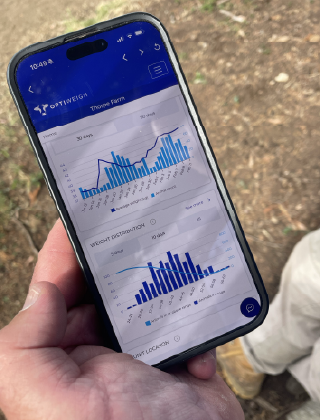
From complexity to clarity with data-driven decision making
Data is a powerful tool for scaling a business — but only when it is integrated into a strategic, actionable workflow. By moving away from collecting ‘useless’ data and creating a strategic and actionable work flow based on meaningful measurement, Will Bignell, Bothwell, Tasmania has built a “big simple system” that rewards discipline, efficiency and informed decision-making.
Newsletters
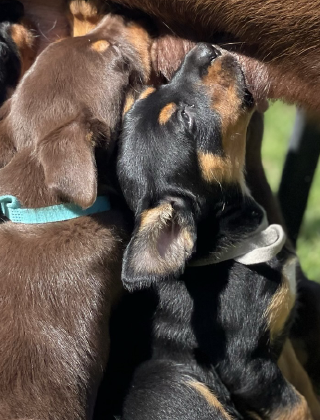
Parvovirus a real risk for Tasmanian working dogs
Parvovirus infection has been reported in dogs in northern Tasmania and has already resulted in the death of at least one valuable young working dog. Dr Bruce Jackson, consulting veterinarian, says producers should not underestimate the seriousness of the disease.
“Parvovirus is one of the ‘big three’ killer diseases of dogs, along with distemper and canine infectious hepatitis,” Bruce explained.
Newsletters
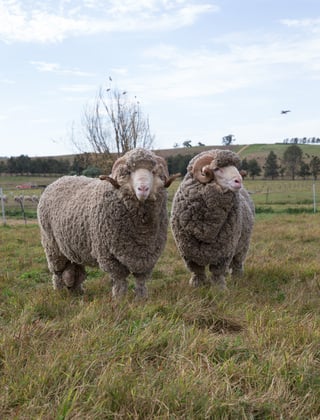
Beyond the ram release: managing the joining window for better conception rates
For many woolgrowers, joining starts the day the rams go out, but targeting better scanning results starts well before the rams are released and reproductive performance is influenced well before — and well after — you let the boys loose.
Newsletters
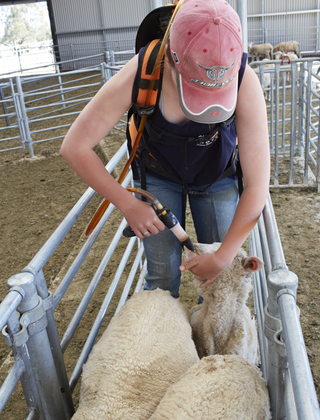
Beware the lure of the long-acting drench
Long-acting drenches can be powerful tools for parasite control, but they can greatly speed up the development of drench resistance. By understanding how prolonged exposure to treatments selects for resistant worms, and by pairing products with primer and exit treatments or using short-acting and combination options, producers can keep drenches working effectively for longer.

Newsletters
Beating drench resistance: it’s a matter of management
Effective worm control underpins profitable wool production — yet drench resistance is eroding the performance of many commonly used drenches. Recent data indicates resistance is widespread across Tasmania and growing. Consulting veterinarian, Dr Bruce Jackson, says with the right testing and management woolgrowers can slow its progression and maintain drench efficacy in their flocks.
Newsletters
Best-practice barber’s pole worm control in sheep
The level of worm infection appears to be increasing in Australian sheep flocks. This problem is compounded by common sheep worms developing resistance to drenches. Fortunately, dramatic improvements in productivity and welfare of sheep can be rapidly gained using genetic selection, monitoring, vaccination, drench testing, pasture rotation, feed supplementation and careful flock management.

Newsletters
The Yarn | Summer listening for growers
January often provides a rare pause in the calendar — a chance to step back, take stock and consider how both you and your business are tracking as the year gets underway. For many woolgrowers, this informal “health check” is less about setting big resolutions and more about reflecting on what is working, where support or advice might help, and how seasonal challenges can be managed more effectively.
Newsletters
Australian wool production forecast
The latest Australian Wool Production Forecasting Committee's (AWPFC) third forecast of shorn wool production for 2025/26 season is 244.7 million kilograms greasy. This is 12% lower than the 2024/25 estimate and a 6.8 Mkg greasy downward revision of the August 2025 forecast.