





スキップする

Your internet browser is out of date and not supported by this website. For the best viewing experience on wool.com, please update your browser to one of the options below.

AWEX EMI 1904 -39
Micron 17 2586 -63
Micron 18 2495 -83
Micron 19 2296 -76
Micron 20 2118 -69
Micron 21 2089 -43
Micron 25 1332 -6
Micron 26 1185 -5
Micron 28 885 +13
Micron 30 745 +3
Micron 32 633 +11
Micron 16.5 2613 -67
MCar 1196 -23

Tasmanian Timing of Operations Survey Results
Thank you to everyone who completed the AWI Extension TAS Timing of Operations Survey.

Your responses have provided some great insights into Tasmanian sheep husbandry practices, and will assist with tailoring the delivery of events and best-practice information.

Below are some key insights from your responses on shearing, crutching, joining, pregnancy scanning, lambing, marking, weaning, and more...
 

Picture1.png

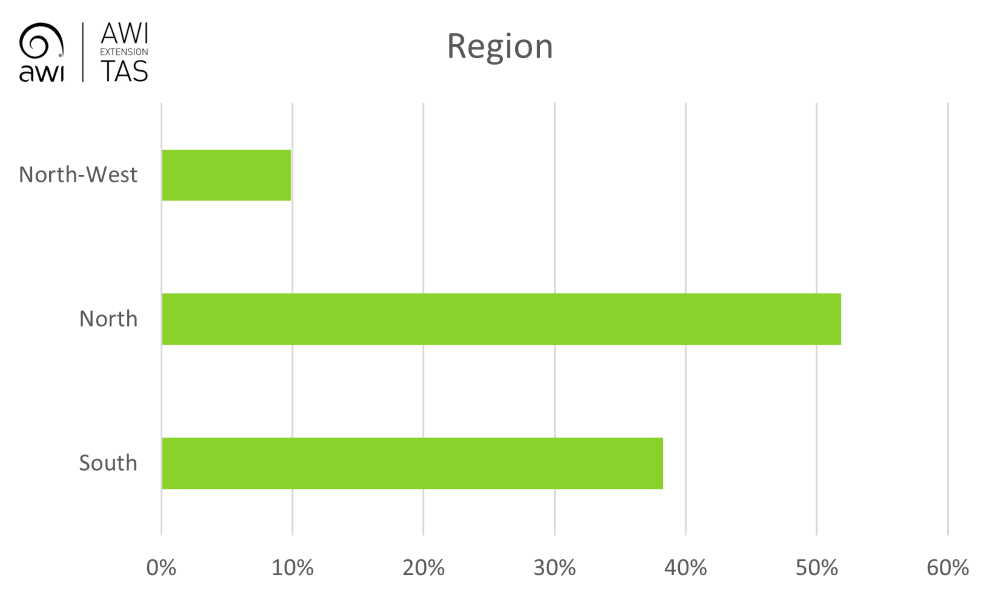
Figure 1. Survey respondents were primarily from North (52%) and South (38%), with North-West accounting for 10% of responses.
 

Picture2.png

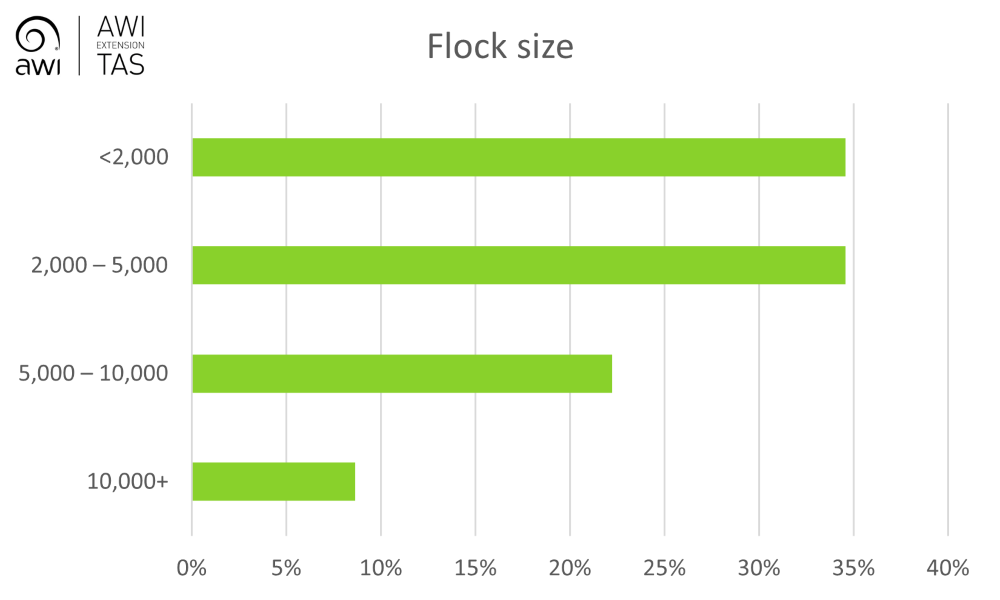
Figure 2. Around 70% of flocks were less than 5,000 head, 22% were 5,000–10,000 head, and 9% were more than 10,000 head.
 

Picture3.png

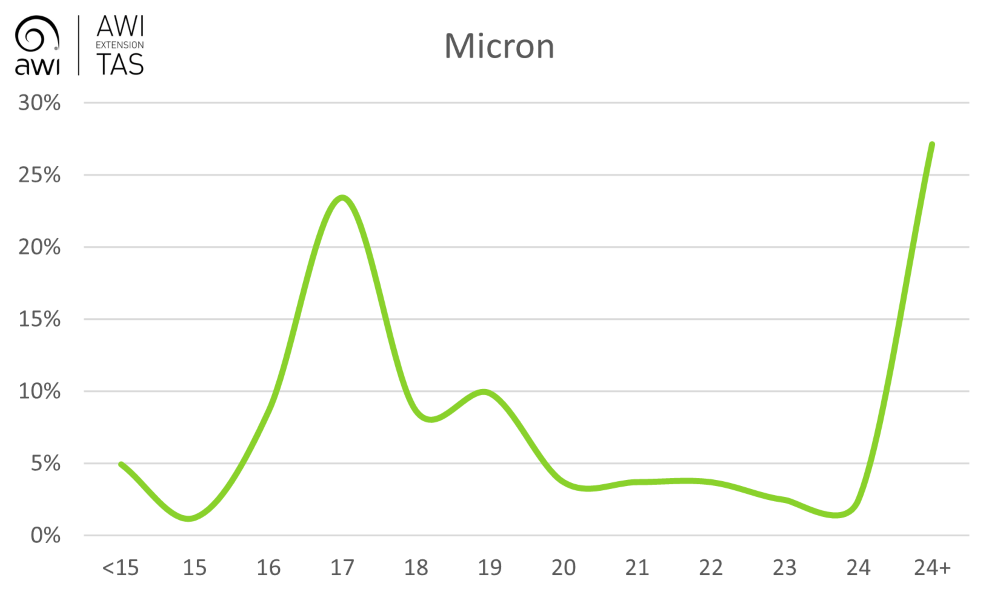
Figure 3. Merino wool being generally 22 micron or less, accounted for 68% of survey respondents. Flocks of 23 micron or greater totalled 32% of respondents.
 

Picture5.png

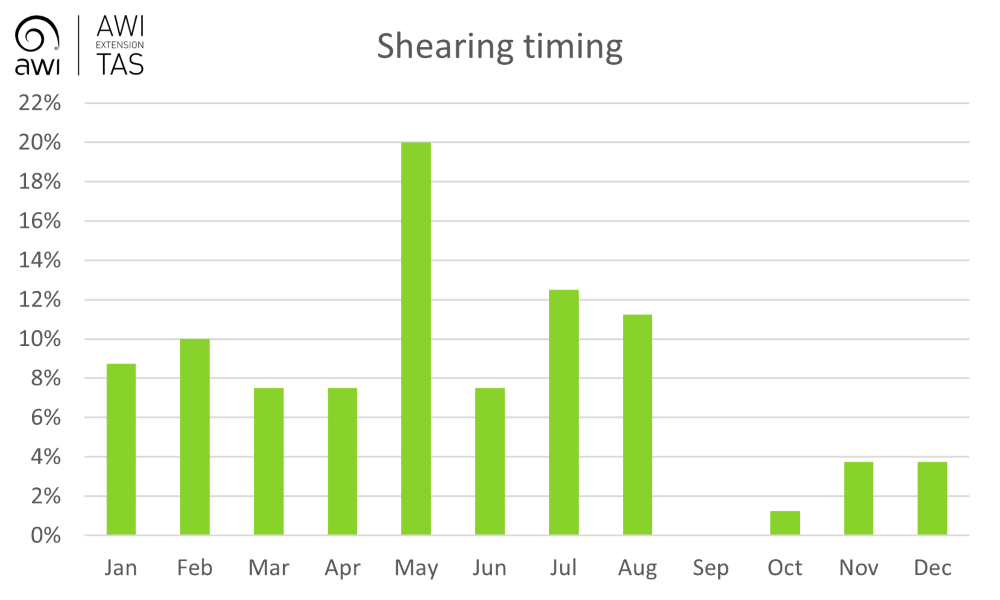
Figure 4. 95% of survey respondents shear once a year, with the most common timing being in May, July, and August. Of those that shear twice a year, it was undertaken typically every 14–15 months.
 

Picture8.png

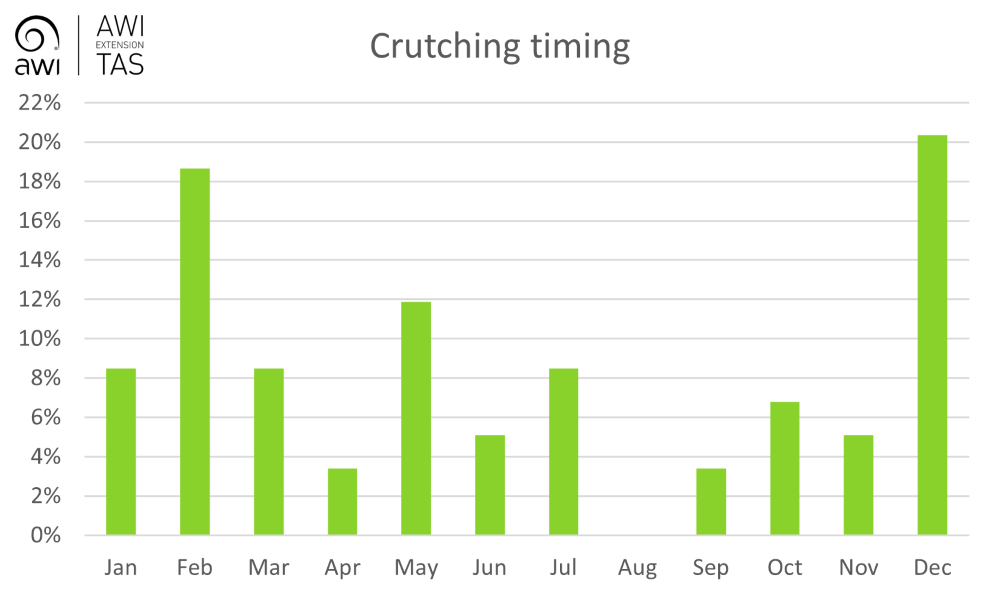
Figure 5. 76% of survey respondents crutch once a year, with the most common timing being in December and February.
 

Picture9.png

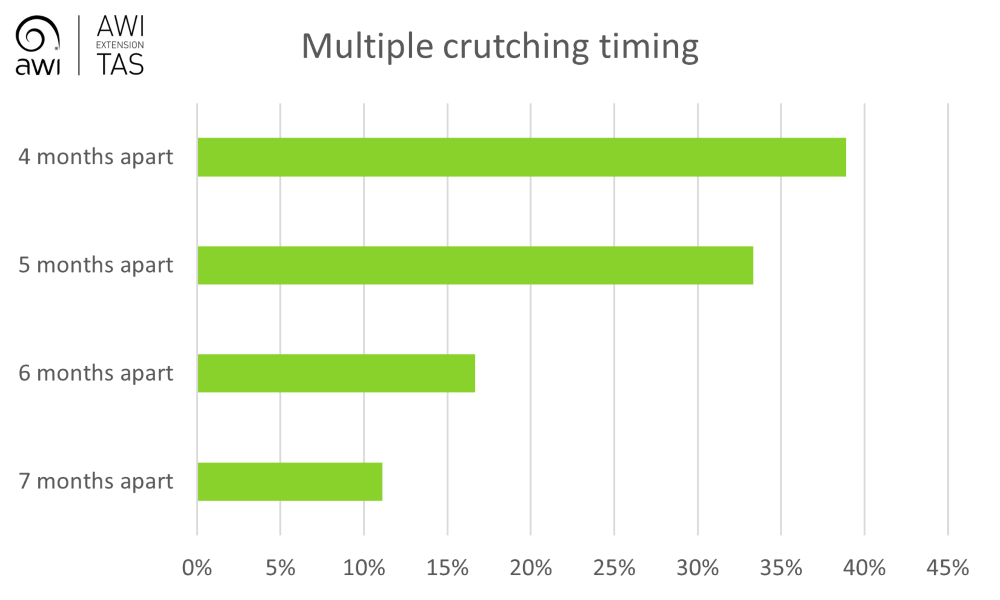
Figure 6. Of the 24% of survey respondents that crutch twice a year, 72% crutch 4–5 months apart.
 

Picture11.png

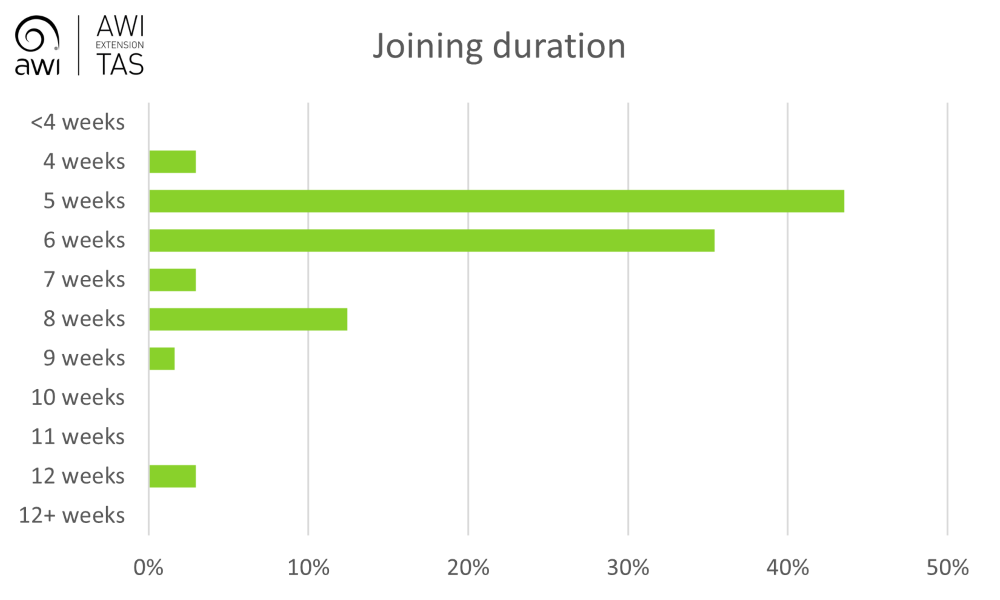
Figure 7. Nearly 80% of survey respondents joined ewes to rams for 5–6 weeks.
 

Picture12.png

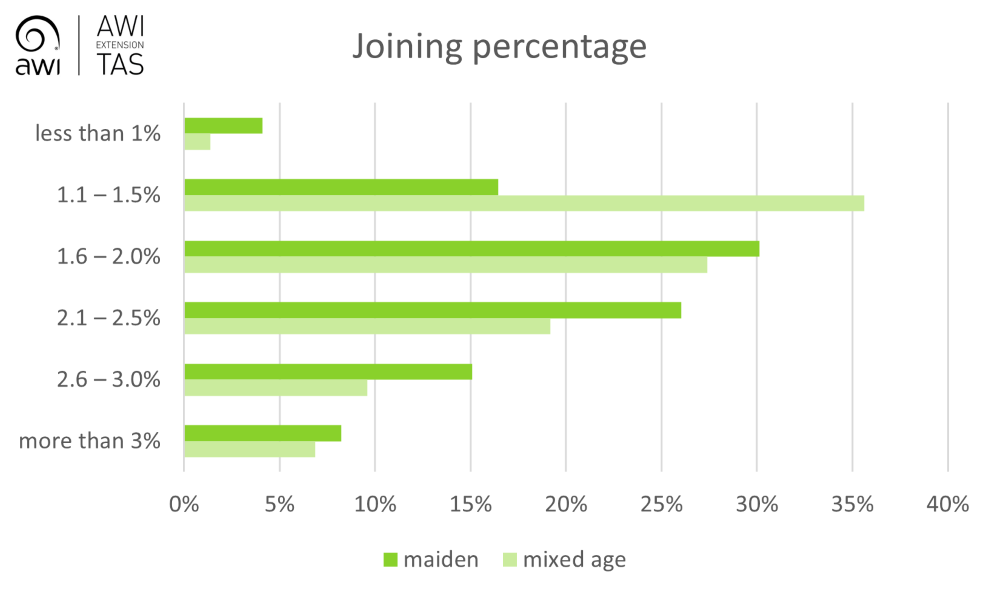
Figure 8. The most common joining percentage for maiden ewes was 1.6–2.0%, and for mixed age ewes was 1.1–1.5%.
 

Picture13.png

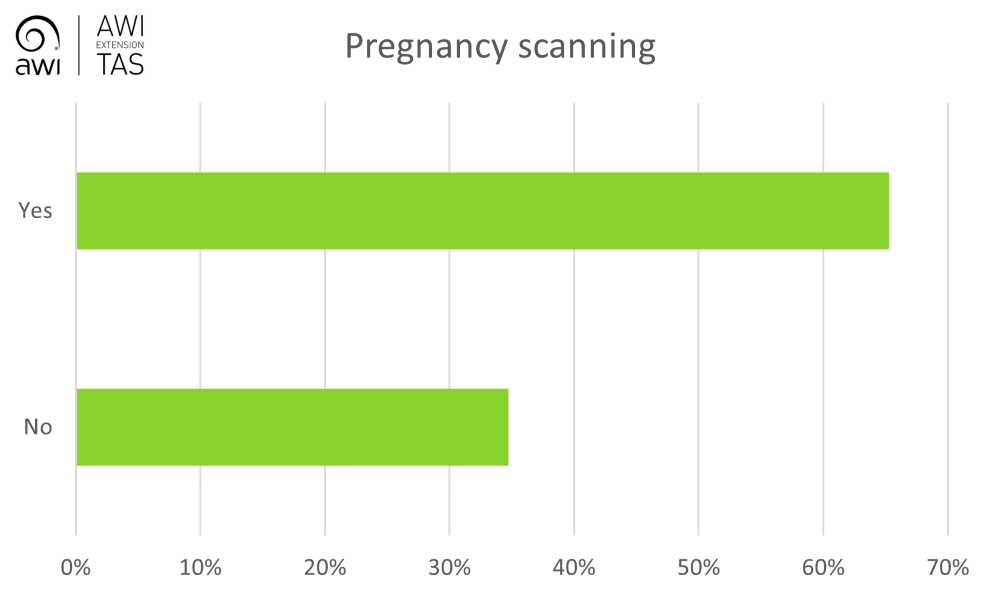
Figure 9. 65% of survey respondents pregnancy scanned.
 

Picture14.png

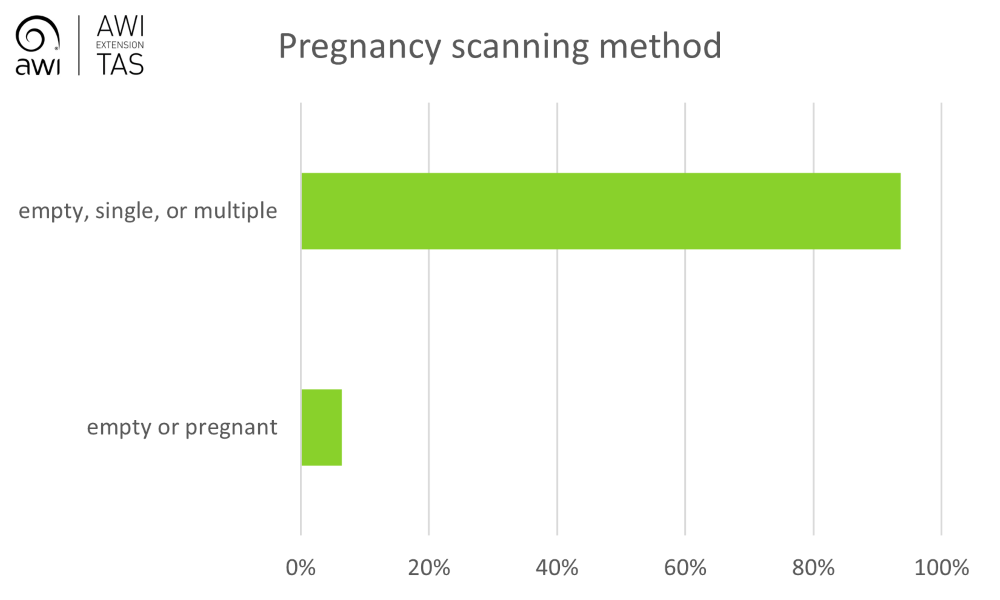
Figure 10. Of those that scanned, 94% scanned for empty, single, or multiple foetuses.
 

Picture16.png

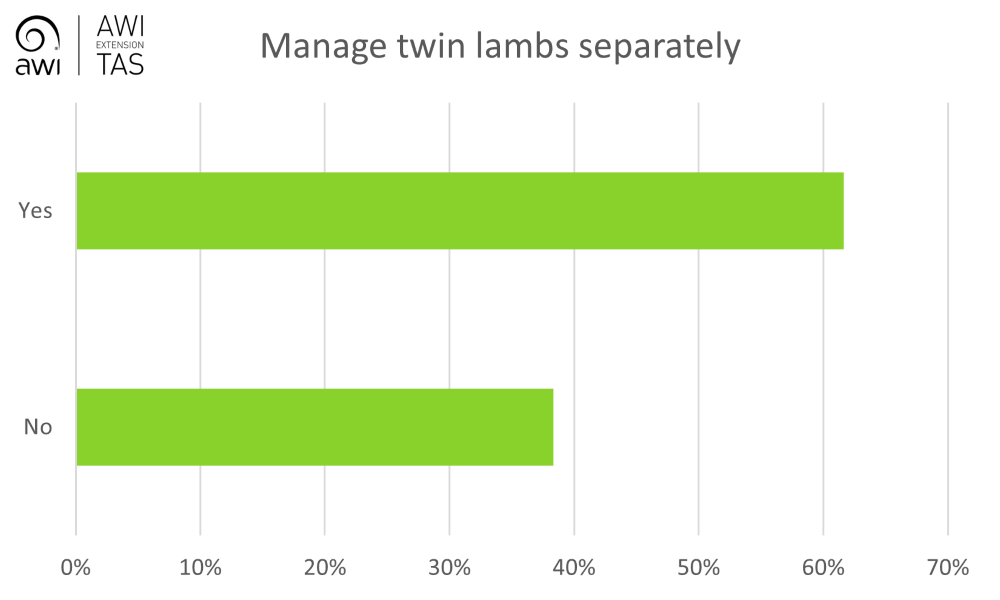
Figure 11. 62% of survey respondents managed twin lambs separately.
 

Picture18.png

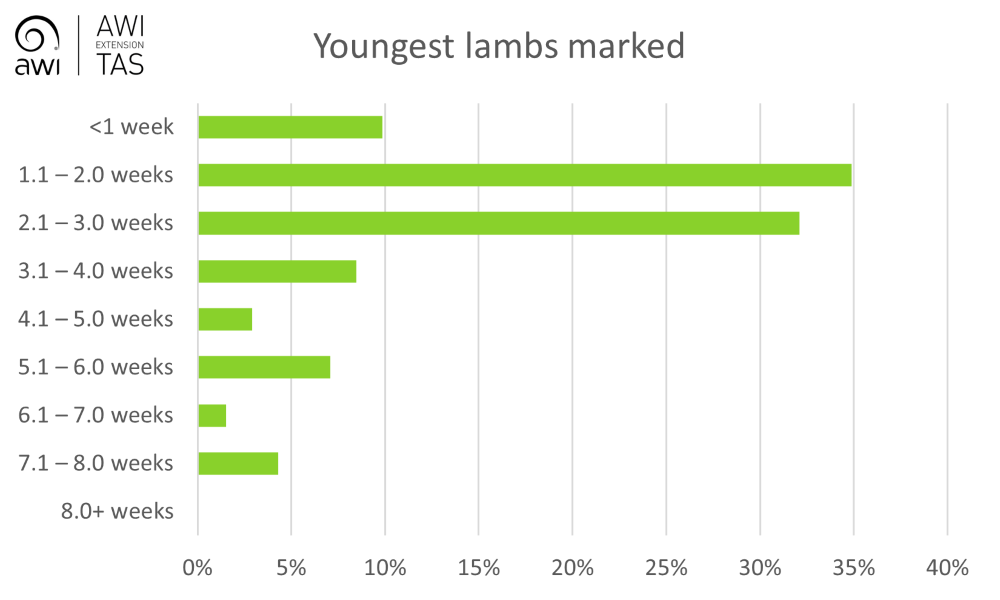
Figure 12. 67% of survey respondents' youngest lambs at marking were 1.1–3.0 weeks.
 

Picture20.png

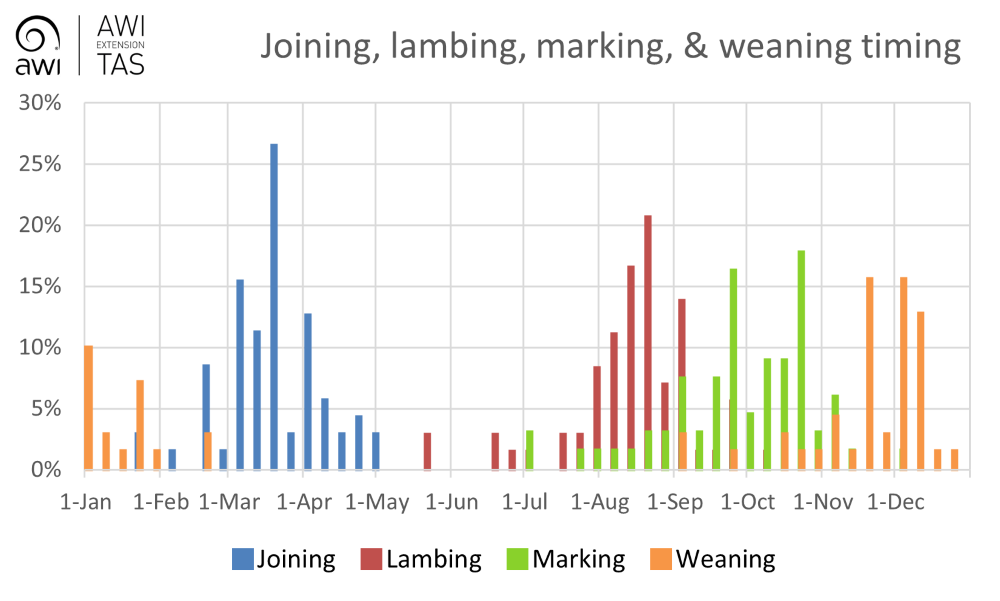
Figure 13. The most common joining was mid-late March, with lambing mid-late August.
 

Articles That Might Interest You

Measurement, focus and fibre diameter: how Will and Nina Bennett are keeping wool in their enterprise mix
At a time when many producers are reassessing the role of wool in their business, Tasmanian woolgrowers Will and Nina Bennett have taken a different path. Rather than stepping away from wool, the Bennett family made a deliberate decision to stay in the industry but changed how they managed it. Read more
Most common diseases and conditions seen in sheep in 2025
The Tasmanian Livestock Health Report summarises information on livestock diseases and conditions observed by rural service providers across Tasmania. Following is a summary of the most common diseases and conditions seen in sheep in Tasmania during 2025. Read more
Beating drench resistance: it’s a matter of management
Effective worm control underpins profitable wool production — yet drench resistance is eroding the performance of many commonly used drenches. Recent data indicates resistance is widespread across Tasmania and growing. Consulting veterinarian, Dr Bruce Jackson, says with the right testing and management woolgrowers can slow its progression and maintain drench efficacy in their flocks. Read more