





Pre-joining management the key to reducing risk of Border disease
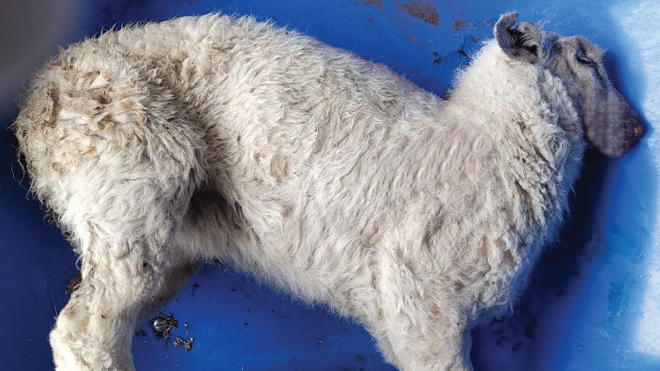
Border disease virus has recently been confirmed in Tasmania, following the investigation of a large composite ewe flock that experienced abortions, high lamb losses and the birth of multiple ‘hairy shaker’ lambs.
Border disease virus has recently been confirmed in Tasmania, following the investigation of a large composite ewe flock that experienced abortions, high lamb losses and the birth of multiple ‘hairy shaker’ lambs.
The affected flock, which contained sheep introduced from southern New South Wales, scanned well initially, but recorded abortions in both ewe lambs and older ewes, lower-than-expected marking percentages and ongoing lamb deaths.
Laboratory testing confirmed border disease virus as the cause, marking the first documented large outbreak of border disease in Tasmania.
There is no treatment and no vaccine for border disease, so prevention and control rely on management:
- investigate unexplained abortions or lamb losses with your vet
- submit aborted foetuses or suspect lambs for laboratory testing where possible
- identify and remove persistently infected lambs from the flock
- manage bought-in sheep carefully, including quarantine and health declarations
- be cautious when sourcing sheep from areas where border disease has been reported
- review joining age and management of maiden ewes to reduce risk.
Keeping suspect lambs in contact with replacement ewes before joining can help those ewes develop immunity before pregnancy, reducing future foetal losses.
What causes border disease?
Border disease is caused by a pestivirus strain that is closely related to bovine viral diarrhoea virus in cattle. The virus causes the most damage when ewes are infected during early pregnancy. Ewes usually show no obvious signs, but the virus can cross the placenta and infect the developing foetus.
If infection occurs early during pregnancy, it can result in foetal resorption, abortion or stillbirth. Lambs that survive infection before their immune system develops are born persistently infected, meaning they shed the virus for life and act as an ongoing source of infection.
Key signs to look out for
Border disease is often first noticed through reproductive losses rather than sick adult sheep.
Signs can include:
- high scanning results followed by abortions or poor lamb survival
- more empty ewes or fewer lambs marked than expected
- stillbirths or weak newborn lambs
- lambs with an unusually hairy or ‘goat-like’ birth coat (as pictured)
- tremors, head shaking or abnormal leg posture in lambs
- poor growth and early death of affected lambs.
Not all infected lambs show obvious tremors, which means the disease can be present without classic ‘hairy shaker’ signs.
How the virus spreads
Border disease spreads:
- from ewe to lamb during pregnancy
- from persistently infected lambs to other sheep through close contact.
Management practices that increase close contact, such as confinement feeding, drought lots or joining young maiden ewes before they have developed natural immunity, can increase the risk of transmission. Mixing sheep with cattle may also increase exposure to pestivirus.
The recent Tasmanian case indicates border disease is not just an interstate issue. With increased sheep movements and changing management practices, the risk of further cases exists. Early recognition, stringent biosecurity and prompt veterinary advice are key to limiting production and welfare impacts.
References
Tasmanian Livestock Health Report – November 2025. Border disease and ‘hairy shaker’ lambs case study.
Parrish et al. (2025). Large-scale reproductive loss in sheep due to border disease virus infection, New South Wales, Australia. Australian Veterinary Journal.
MSD Veterinary Manual & Farm Health Online. Border disease (hairy shaker disease).